Pet parents today are far more conscious about what goes into their dog’s bowl than ever before. Just like humans, dogs thrive on high-quality, nutrient-rich food that supports their overall health, energy levels, and longevity. This growing awareness has made fresh pet dog food one of the most talked-about choices among dog owners.
But what exactly is fresh pet dog food? Is it really better than traditional kibble or canned food? And how do you know if it is the right option for your dog?
This in-depth guide answers all those questions and more. Whether you are a first-time dog owner or someone considering a switch to fresh food, this article will help you make an informed decision based on real benefits, practical examples, and expert-backed insights.
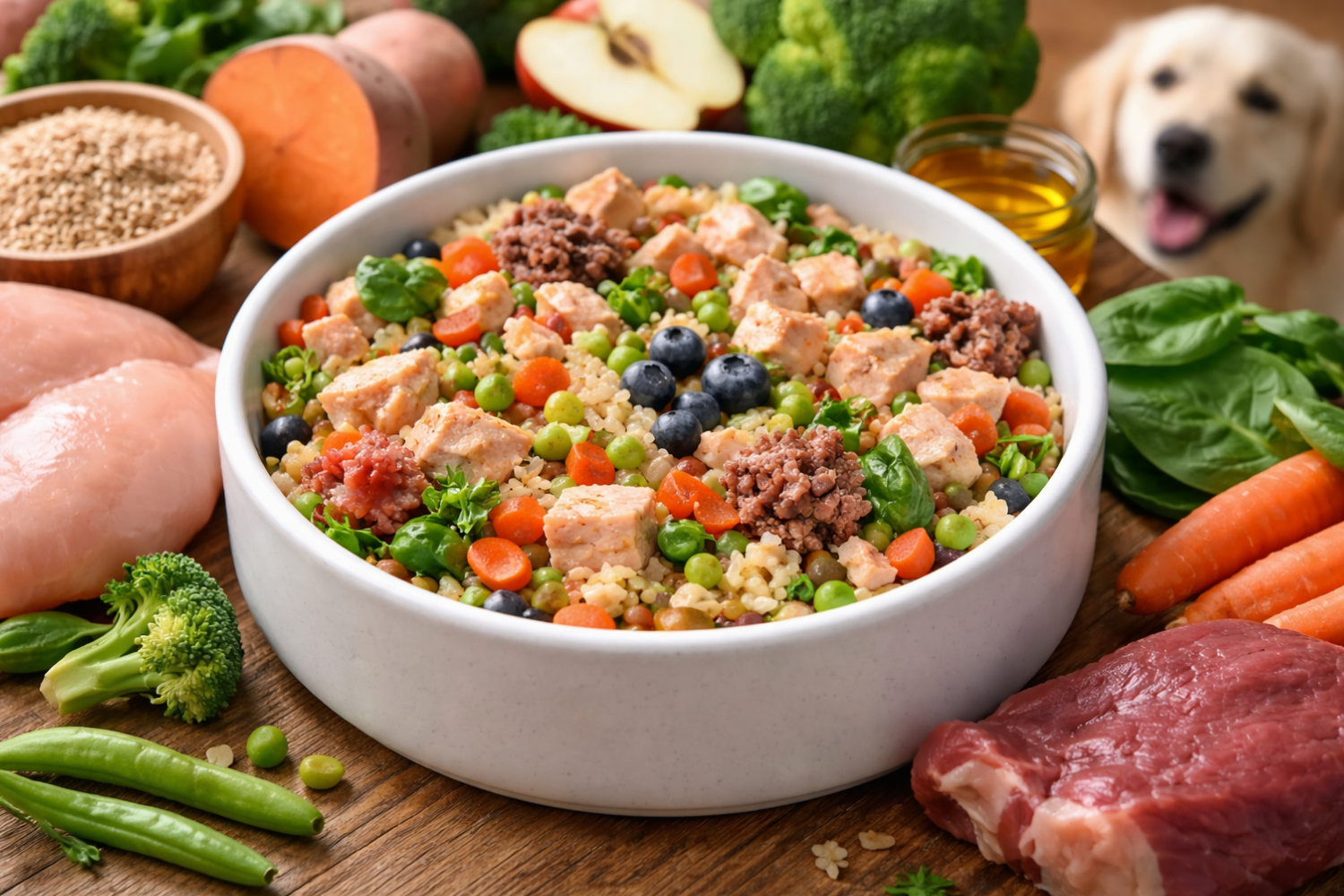
Fresh pet dog food refers to meals made from whole, minimally processed ingredients that are gently cooked or sometimes served raw (depending on the approach). Unlike highly processed dry food, fresh food closely resembles homemade meals prepared with real meat, vegetables, fruits, and healthy fats.
For example, a typical fresh meal may include chicken or beef as the primary protein, mixed with vegetables like carrots, spinach, or pumpkin, and balanced with grains or legumes.
The shift toward fresh pet dog food is driven by a simple reason: better health outcomes. Many dog owners report visible improvements after switching from traditional food.
A dog suffering from constant itching and dull coat may show noticeable improvement within weeks of transitioning to fresh food. The reduction in fillers and allergens often leads to healthier skin and shinier fur.
Some common reasons dog owners choose fresh food include:
Understanding the differences can help you decide what suits your dog best.
Traditional dog food often contains meat by-products, fillers, and synthetic nutrients. Fresh pet dog food focuses on whole, natural ingredients.
Fresh food retains more natural vitamins and minerals due to minimal processing.
Dogs generally find fresh meals more appealing because of real textures and flavors.
Fresh food is easier on the digestive system, especially for dogs with sensitive stomachs.
Fresh ingredients are easier to break down, which helps reduce bloating, gas, and irregular stools.
Omega fatty acids from fresh meats and oils support skin health and promote a shiny coat.
Fresh pet dog food allows better portion control and reduces empty calories from fillers.
Whole foods provide natural antioxidants and nutrients that support immune function.
Fresh pet dog food can benefit most dogs, but individual needs matter.
Puppies need higher protein and calorie intake. Fresh food can support growth when properly balanced.
Adult dogs benefit from sustained energy and improved digestion.
Fresh food is gentle on aging digestive systems and supports joint health when enriched with the right nutrients.
Dogs with allergies, obesity, or digestive disorders often respond well to fresh diets when guided by a professional.
Fresh pet dog food is usually prepared in small batches to maintain quality and safety.
Food safety and nutritional balance are crucial, especially if you prepare meals at home.
Switching too quickly can upset your dog’s stomach. A gradual transition is recommended.
Monitor your dog’s stool, energy levels, and appetite during this period.
Fresh food aligns with basic nutritional science and is not a passing fad.
While fresh food may cost more upfront, it can reduce long-term vet bills.
Dogs can thrive on various diets as long as they are nutritionally complete.
When selecting fresh pet dog food, look beyond marketing claims.
Proper portions depend on:
Consulting a vet or canine nutritionist can help fine-tune your dog’s diet.
Dogs fed high-quality fresh diets often show fewer chronic health issues as they age. Consistent nutrition supports joint health, heart function, and cognitive well-being.
Dogs on fresh diets tend to maintain healthier body weight and better mobility in later years compared to those on heavily processed diets.
Fresh pet dog food often provides higher-quality nutrients and better digestibility than traditional kibble.
Yes, as long as the meals are nutritionally balanced and portioned correctly.
Most fresh foods require refrigeration or freezing to maintain freshness and safety.
Yes, when formulated specifically for puppy growth requirements.
Refrigerated fresh food typically lasts a few days, while frozen options can last several weeks.
Fresh food needs proper storage. Using airtight containers and following storage guidelines solves this issue.
Unbalanced homemade diets can cause deficiencies. Always follow expert-approved recipes.
Preparing fresh meals takes time, but batch cooking can make it manageable.
Fresh pet dogs food is more than just a feeding choice; it is an investment in your dog’s health and quality of life. By offering real ingredients, better nutrition, and improved digestibility, fresh food supports overall well-being from puppyhood to senior years.
If you want your dog to live a healthier, more energetic life, switching to fresh pet dog food can be a meaningful and rewarding decision.
If you need More information, click here dexamethasone for dogs

July 22, 2025

July 8, 2025

July 5, 2025
July 3, 2025

July 2, 2025